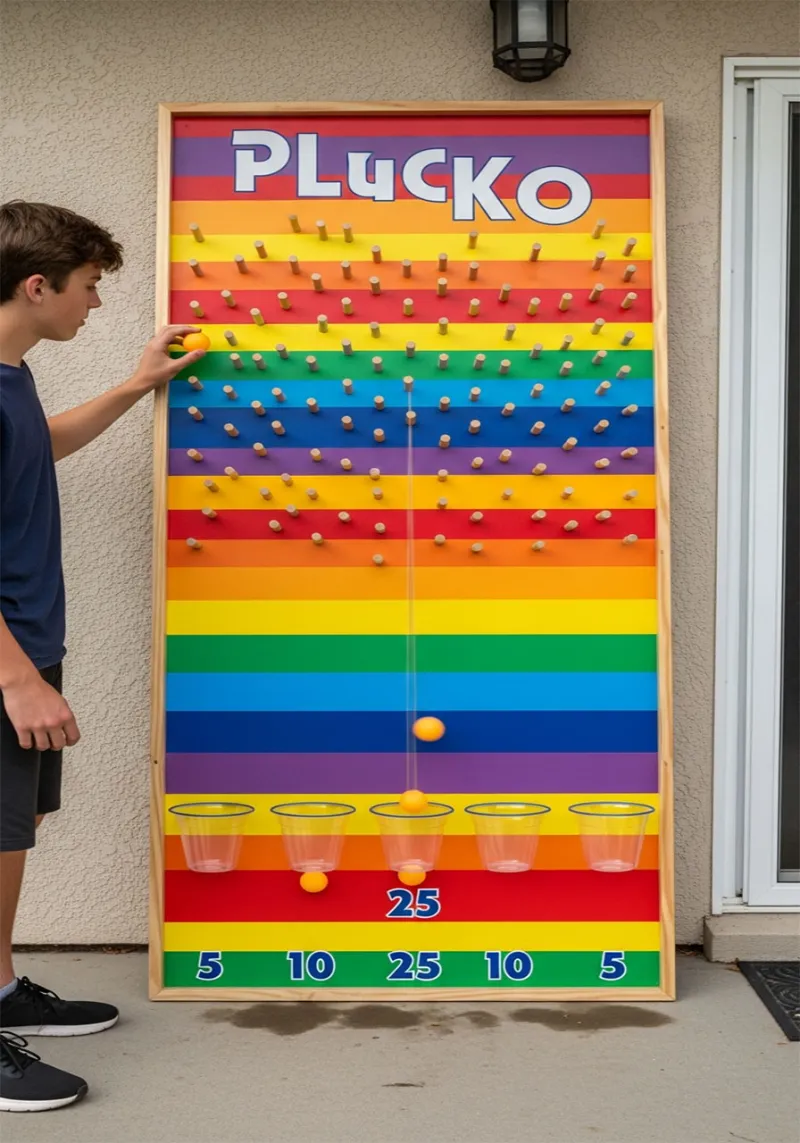
Run Your Plinko Bankroll Like a CFO: The Three-Wallet Setup That Keeps Gambling Money Where It Belongs
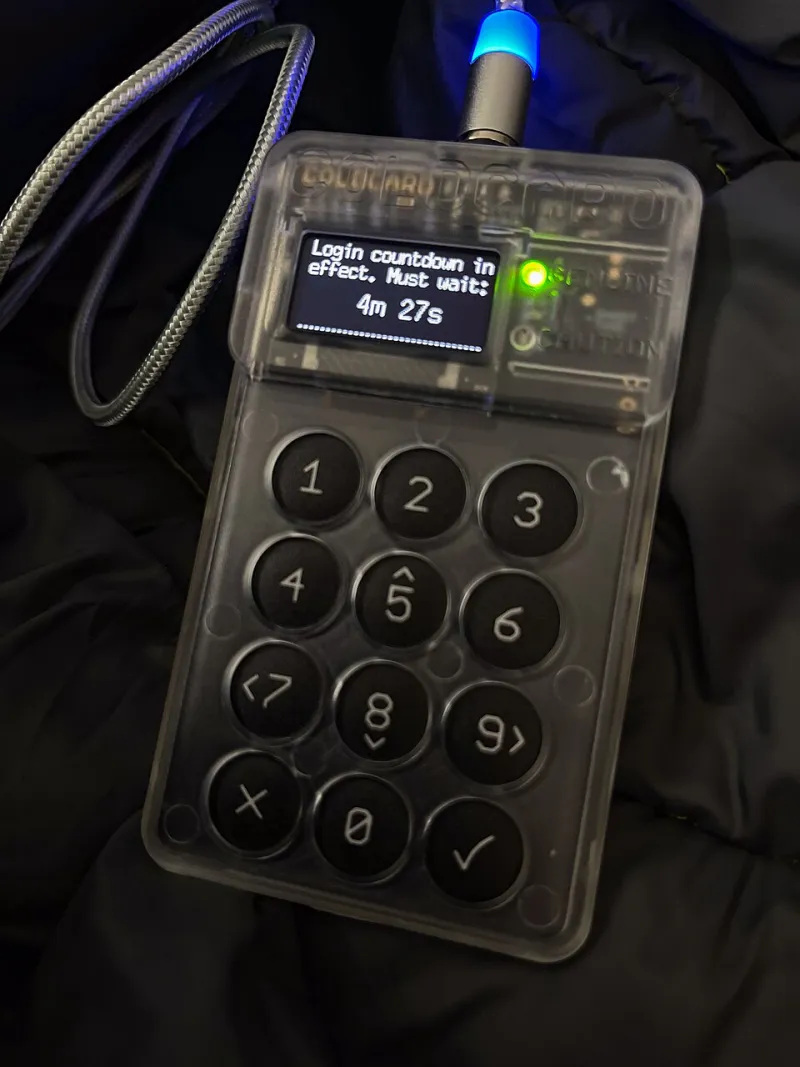
Photo: Tony Webster, CC BY 2.0, via Wikimedia Commons
The Problem Isn't Losing. It's Mixing.
Here's a scenario every US crypto bettor knows by heart. You've got a hardware wallet with your long-term stack, maybe some ETH you're holding for the next cycle, a little BTC from a work bonus, and a hot wallet on your phone where you do everything — swaps, airdrops, and yes, Plinko.
That hot wallet has $2,000 in it. You tell yourself it's all "spending money." Then you hop into a Plinko session, catch a cold streak, and suddenly you're staring at a balance that includes the ETH you were planning to hold for two years. What happens next is predictable: you either cash out your long-term position to keep playing (taxable event, by the way), or you tilt-chase losses with money that was never meant to touch a casino.
Institutional traders solved this problem decades ago. Hedge funds don't keep trading capital and payroll in the same account. Neither should you. Here's the setup we've landed on after years of reviewing Plinko platforms — think of it as your own personal treasury department.
Wallet One: The Vault (Off-Limits, Always)
This is your long-term crypto. Cold storage, hardware wallet, seed phrase on steel in a fireproof box. The Vault never touches a gambling site, never connects to a casino dApp, and never gets deployed to "rescue" a bad session. Not once. Not in an emergency. That's the whole rule, and it's non-negotiable.
A practical guideline: whatever you'd need for rent, an emergency fund, or your kid's 529 plan doesn't live anywhere near this conversation. The Vault holds what's left after all of that — the money you could theoretically lose without changing your life. If your Vault is your only crypto, you don't have a gambling bankroll yet. You have a savings account with a Plinko app installed next to it, and that's a problem worth fixing before your next drop.
Wallet Two: The Drop Wallet (Where the Action Happens)
This is the only wallet that ever connects to a Plinko casino. It's a hot wallet — browser extension or mobile — funded exclusively from Wallet Three, which we'll get to in a second.
Here's the allocation math that makes this work. Decide on a monthly gambling budget the same way you'd decide on a dining-out budget: a number that stings a little if you lose it all, but doesn't touch anything else in your finances. For a lot of working bettors we talk to, that's somewhere between 1% and 3% of monthly take-home pay. Call it $300.
Of that $300, don't load it all at once. Fund your Drop Wallet weekly — $75 every Monday, say. Why? Because Plinko's speed is the silent killer. Autoplay and turbo modes can burn through a fully loaded wallet in an hour. A weekly refill builds friction back into a game engineered to remove it. If you're out of drops by Thursday, you're done until Monday. No exceptions, no "just this once" top-ups from the Vault.
Wallet Three: The Reserve (Your Treasury Account)
The Reserve is a separate hot wallet — different seed phrase from the Drop Wallet — holding up to a month of gambling budget. In our example, that's the full $300. It never connects to a casino directly. Its only job is refilling the Drop Wallet on schedule.
Why bother with the middleman? Two reasons. First, it creates a deliberate speed bump: moving funds from Reserve to Drop Wallet is a conscious act, not a two-tap impulse while tilted. Second, it keeps your casino-facing wallet's balance small at all times. If the Plinko site you're using gets hacked, rugs, or simply vanishes overnight — and we've covered enough disappeared casinos on this site to know it happens — your maximum exposure is one week's budget, not your whole month.
Automate Your Loss Limits Like a Compliance Department
Treasury departments don't rely on willpower; they rely on controls. You should too.
- Session cap: Set a hard stop at 25% of your current Drop Wallet balance per session. Down $20 of an $75 wallet? Session's over. Walk the dog, watch a game, come back next week.
- Win lock: If your Drop Wallet doubles, move half back to the Reserve immediately. This is how winning sessions actually become winning months instead of round-trip stories.
- Monthly audit: First of the month, total your deposits across all casinos. Most platforms show this in your account history; on-chain players can check the smart contract interactions directly.
That last point matters more than most players realize. Because every deposit is an on-chain transaction, you have something land-based gamblers never had: a complete, timestamped, unforgeable record of your gambling spend. Use a simple spreadsheet or a portfolio tracker to log deposits and withdrawals by month. When you can see that you deposited $450 in a month with a $300 budget, the numbers do the confronting for you — no guilt, no fuzzy memory, just data.
A Note for the Tax Season Ahead
Since we're talking like accountants: in the US, every crypto deposit and withdrawal at a casino is potentially a taxable event, and gambling winnings are reportable income regardless of amount. Clean wallet separation makes this dramatically easier. When your Drop Wallet is the only thing touching casinos, your accountant doesn't have to untangle gambling transactions from your long-term holdings come April. That alone is worth the setup time.
The Whole System in Three Lines
Vault holds what you're keeping. Reserve holds one month of fun money. Drop Wallet holds one week of it and is the only wallet that ever sees a Plinko board.
It's not glamorous, and it won't change the house edge — nothing does. What it changes is the blast radius. Bad sessions stay bad sessions instead of becoming bad years, and that's the difference between a bettor with a system and a wallet with a gambling problem.