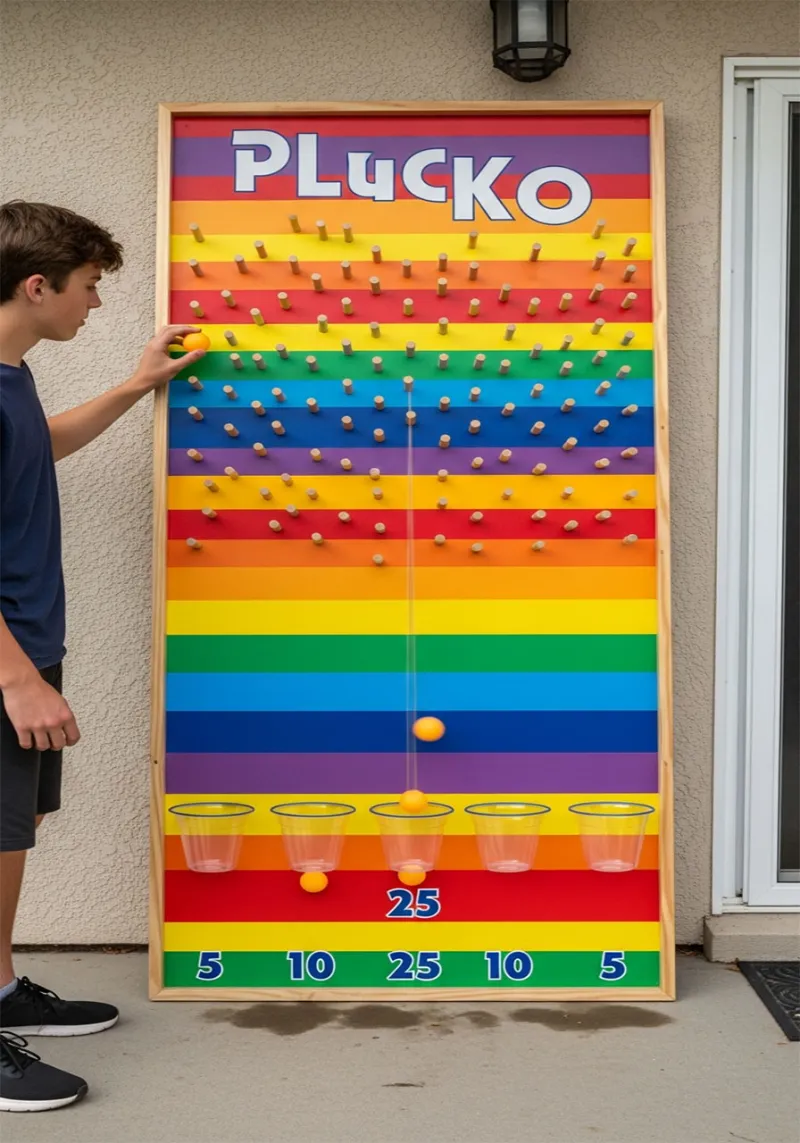
The Five-Minute Drop: How Lunch Break Plinko Became the New Smoke Break

Photo: Prof Ranga Sai, CC0, via Wikimedia Commons
There's a rhythm to the modern workday that nobody put in the employee handbook. The 10:15 slump. The post-lunch fog. The fifteen minutes between wrapping a report and jumping on a Zoom call. For a growing slice of US workers, those gaps are getting filled the same way a previous generation filled them with a cigarette break — except now the break fits in your pocket, settles in crypto, and pays out (or doesn't) before your coffee gets cold.
Welcome to lunch break Plinko. It's fast, it's phone-native, and it's quietly reshaping when — and how — people gamble.
Why Plinko Fits the Gap in a Way Poker Never Did
Think about what a lunch break actually offers: maybe 30 minutes, minus the sandwich run, minus checking the group chat. You're not sinking that time into a multi-table poker session or even a slots bonus round that demands attention. What the break demands is something you can pick up and put down without losing the thread.
Plinko is almost comically well-suited to that. There's no strategy to remember mid-drop, no opponent waiting on you, no hand history to review. You set a bet size, pick a risk level, and release the ball. Whether you walk away after one drop or fifty, the game state is identical when you return.
Crypto casinos made the format even more break-friendly by stripping out the friction that used to kill micro-sessions. No card deposits, no withdrawal windows measured in business days. A worker can move $20 of USDT onto a site during a coffee run, drop for eight minutes, and cash back out before the shift resumes. Compare that to the old online casino experience of waiting three to five business days for a withdrawal and you can see why the micro-session crowd migrated.
The Anatomy of a Five-Minute Session
Talk to enough of these players and a pattern emerges. The lunch break session has a shape to it, almost a ritual:
- The top-up. A small deposit — often $10 to $50 — sized so a total loss is an annoyance, not a problem.
- The warm-up drops. Low-risk settings, wide multipliers, basically buying a few minutes of entertainment.
- The itch. Somewhere around minute three or four, a switch flips. Auto-bet goes on. Risk goes to high. The 1,000x corner starts looking less like a lottery ticket and more like a plan.
- The clock check. The session ends not because the player decided to stop, but because the lunch hour did.
That last point matters. The most common stopping mechanism in break gambling isn't discipline — it's a schedule. The ball is still dropping when the calendar says it's time to go back.
What the Psychology Says About the Smoke Break Swap
Dr. Heather Simoneau, a behavioral researcher who studies gambling in workplace contexts, puts it bluntly: "The smoke break was always a gambling experience without the money. You'd feed a machine a fixed cost, get a hit of dopamine on a variable schedule, and return to your desk. Break-length Plinko adds actual wagering to a loop people were already conditioned into."
The variable reward schedule is the key phrase. Plinko delivers a result every few seconds, and the outcome is genuinely unpredictable — the ball skitters off pegs in ways that feel almost skillful even when they're pure chance. That near-miss sensation, watching a ball bounce one peg short of the 100x slot, is the same mechanism that keeps slot players seated. Compress it into a five-minute window and you get a very dense dose of it.
There's also what researchers call the "boundary crossing" problem. Gambling that starts and ends at defined times — say, a Saturday night at a casino — tends to stay contained. Gambling that bleeds into spaces associated with work and responsibility doesn't stay contained the same way. A bad session at lunch follows you into your 2 p.m. status meeting in a way a bad night at the tables doesn't follow you into Monday.
The Autoplay Multiplier Effect
If manual dropping is a smoke break, autoplay is the whole pack. Most crypto Plinko games let you queue dozens or hundreds of automated drops at a set bet size. On a lunch break, that's a session that plays itself while you eat — and a bankroll that can evaporate while your attention is on a burrito.
We've covered the autoplay issue before at Plinko Casino Fi, and break gambling is where it bites hardest. A player manually dropping has a natural pause between bets to reassess. A player who set 50 autodrops at high risk has 50 chances for the session to go sideways before they look back down at their phone.
Keeping the Break From Becoming a Habit Loop
We're not here to lecture — betting your own crypto on your own time is your call. But if lunch break Plinko is part of your routine, a few practical guardrails go a long way:
- Decide the session length before you log in, and make the clock the boss, not the balance. If the timer says five minutes, five minutes it is.
- Turn autoplay off during break sessions. If the game requires you to tap for every drop, you stay in the loop instead of checking out.
- Keep a separate, small "break bankroll" in a wallet you refill monthly, not daily. When it's empty, the breaks are just breaks.
- Watch for the pattern shift. If the session that used to be fun is now the thing you need to get through the afternoon, that's the signal to step back — most reputable crypto casinos offer deposit limits and self-exclusion tools that work on exactly this timeline.
- Know the legal landscape where you are. Sweepstakes-style and offshore crypto casinos occupy a murky space for US players, and protections vary widely. Our breakdown of the gray zone for American players is worth a read before your next deposit.
The Break That Never Quite Ends
The five-minute drop isn't going anywhere. It's engineered for the exact shape of the modern workday, and crypto rails removed every speed bump that used to slow it down. For some players it stays what it looks like — a cheap bit of entertainment between meetings. For others, the loop tightens.
The smart bet isn't just about which risk setting to pick. It's about knowing which kind of break you're actually taking — and being honest with yourself the moment the smoke break starts smoking you.
If gambling has stopped feeling like a choice, the National Problem Gambling Helpline (1-800-522-4700) is free, confidential, and available 24/7.